The restoration of an indigenous gem
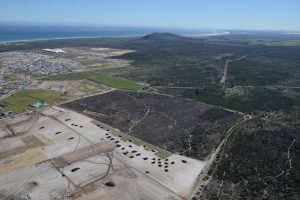
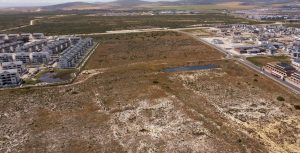
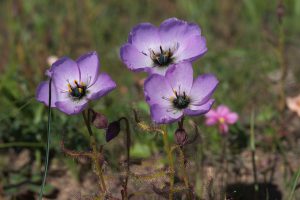
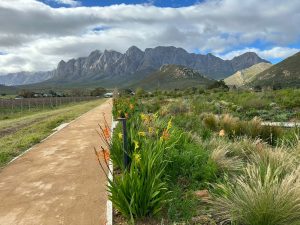
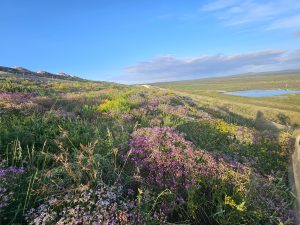
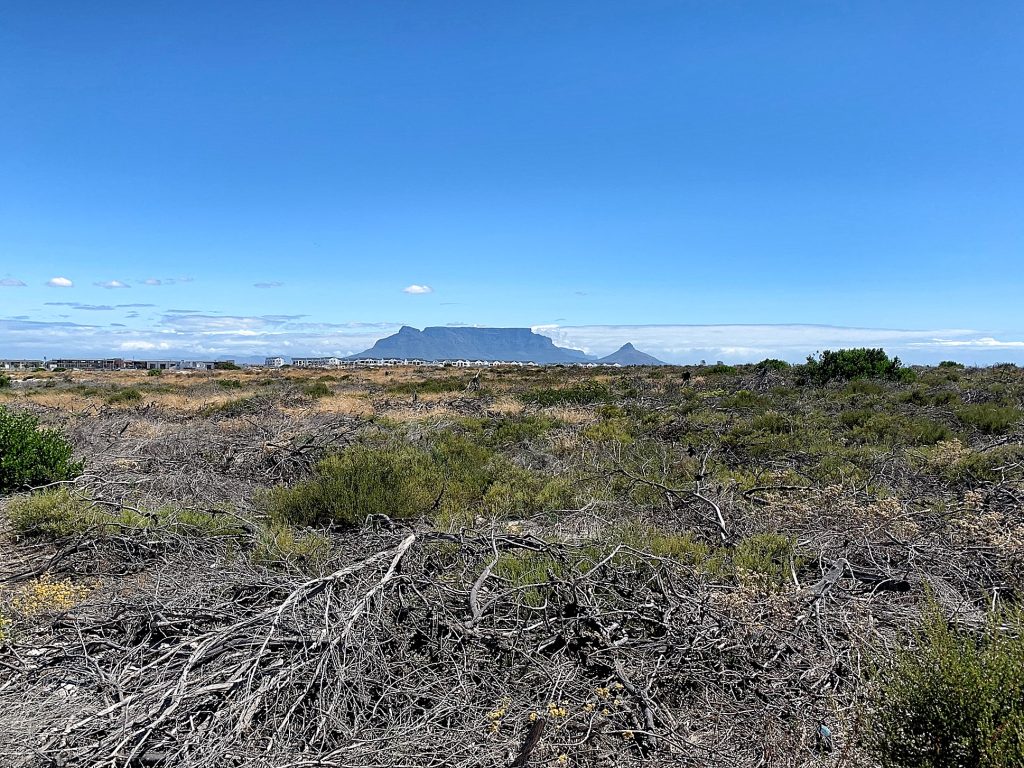
Due to the national conservation significance of the vegetation within the Sandown Development Area, a substantial portion of land has been designated for conservation of the critically endangered Cape Flats Sand fynbos. This land will be incorporated into the Sandown Fynbos Corridor Conservation Area, an initiative that aims to connect the Blaauwberg Nature Reserve with the Diep River section of the Table Bay Nature Reserve (TBNR) This region was characterised by isolated remnants of Cape Flats Sand Fynbos (FFd5) amidst dense stands of Acacia saligna (Port Jackson) and Myrsine africana (Myrtle). Clearing these areas was a labour-intensive effort to preserve the valuable undergrowth, as threatened and near-threatened species were discovered during botanical assessments. It was hoped that the soil’s seed bank still contained viable seeds that could be stimulated by the removal of alien biomass and a controlled burn. Alien vegetation was systematically removed, and the biomass was spread out to prevent hot spots during the planned burn-which was postponed by two years. With 15 498 locally sourced and curated plants planted on-site throughout the project’s duration, the Sandown Fynbos Corridor has achieved stability and ecological functionality, shining as a gem within the urban landscape. The principles applied in the restoration of the Fynbos Corridor is a novel combination of a broad range of intellectual capital, from several fields. It represents the culmination of the most current scientific research in the field of restoration ecology, best horticultural practices, refined assessment and planning skills that delivered the restoration plan as well as good project management skills.