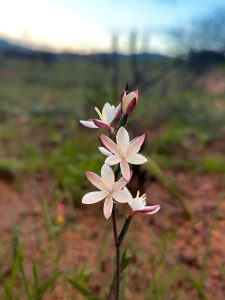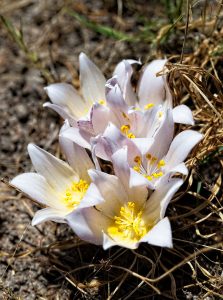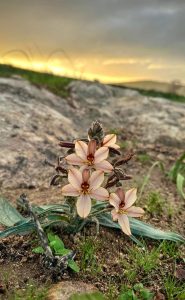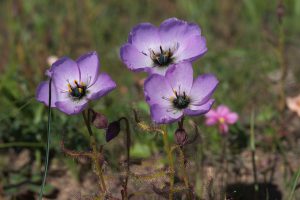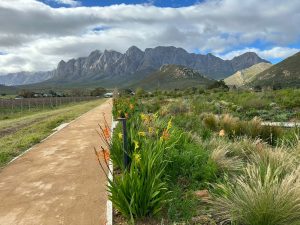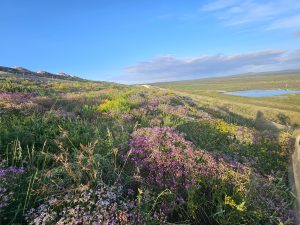
Ecological rehabilitation is often imagined as the moment when barren land bursts into life, filled with flourishing plants and returning wildlife. However, what the public often doesn’t see is the meticulous preparation that happens long before restoration begins. At Darling Groenkloof Reserve, a unique renosterveld habitat of high conservation significance, Darling Wildflower Society and Vula Environmental Services are implementing a methodical and science-driven approach to ensure long-term ecological recovery of the agriculture impacted portions of the reserve. This requires often unseen but essential groundwork that will transform degraded landscapes into resilient ecosystems plays a vital role in this.
The Science Behind Rehabilitation
Every great rehabilitation project starts with knowledge. At Groenkloof Reserve, the process begins with a deep dive into the region’s history, geology, hydrology, and biodiversity. This reserve, nestled in the Swartland region of the Western Cape, is home to critically endangered Swartland Granite Bulb Veld, a landscape of immense ecological value but one that has been severely fragmented, with less than 20% of its original habitat remaining. Soil analysis is helping determine erosion risks and nutrient availability, ensuring that plant selections will thrive.
Hydrology mapping is revealing how water moves through the reserve, highlighting critical wetlands and erosion-prone areas that need protection. A detailed vegetation survey is documenting existing plant species, identifying which need to be preserved and which invasive species require removal. Faunal assessments are monitoring key wildlife species, such as the Cape Clawless Otter and the iconic Blue Crane, ensuring that habitat restoration efforts support their survival. These thorough investigations are providing the scientific backbone for all subsequent restoration work.
Navigating the Regulations
Rehabilitation doesn’t just happen; it requires careful adherence to environmental laws. Before any physical interventions begin, Vula Environmental Services is ensuring compliance with key environmental regulations. The project strives to adhere to the National Environmental Management: Protected Areas Act (NEMPAA), which governs conservation areas, and the National Environmental Management: Biodiversity Act (NEMBA), which mandates biodiversity protection and invasive species control.
Water resource management requires compliance with the National Water Act, regulating activities affecting water bodies. Fire management permits are being secured to allow controlled burns that align with ecological fire regimes. Conducting Environmental Impact Assessments (EIAs) ensures that interventions are legally sound and aligned with conservation goals at both local and national levels.
Community Engagement and Stakeholder Collaboration
Rehabilitation is not just about ecosystems; it’s about people too. A project’s success often hinges on community involvement, and Groenkloof Reserve is no exception. Engaging with local stakeholders ensures that conservation efforts are both inclusive and sustainable.
The team is collaborating with the Darling Wildflower Society, integrating the reserve into the broader ecological tourism landscape. Partnerships with CapeNature and the Swartland Municipality are ensuring alignment with regional conservation strategies. The project is also creating employment opportunities for local residents, involving them in seed collection, invasive species removal, food gardens and nursery management. This approach fosters local stewardship and provides economic benefits, making conservation a shared effort rather than an external initiative.
Fire and Its Role in Rehabilitation
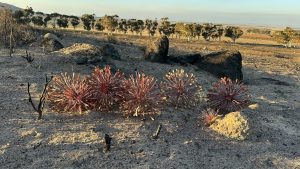
Fire is both a destructive force and a vital ecological process, particularly in renosterveld habitats like Groenkloof Reserve. In February 2024, a wildfire swept through the reserve, burning approximately 95% of the landscape in less than two hours. While the fire was devastating, it also created an opportunity to integrate fire as a controlled management tool in the rehabilitation plan.
The fire management strategy includes the implementation of designated firebreaks, controlled burns, and vegetation management to reduce future fire risks. The reserve will be divided into management units, with scheduled burns conducted in accordance with ecological best practices to promote plant regeneration while preventing invasive species from taking hold. Monitoring fire history and veld age mapping will help ensure that fire remains a beneficial rather than destructive force in the ongoing restoration efforts.
Clearing the Path for Recovery
Before native plants can flourish, invasive species must be removed. The Groenkloof Reserve has long been under siege by aggressive invaders like Kikuyu, Fleabane and Statice, which outcompete indigenous flora and disrupt natural fire regimes. Their removal is a painstaking but necessary step in the restoration process.
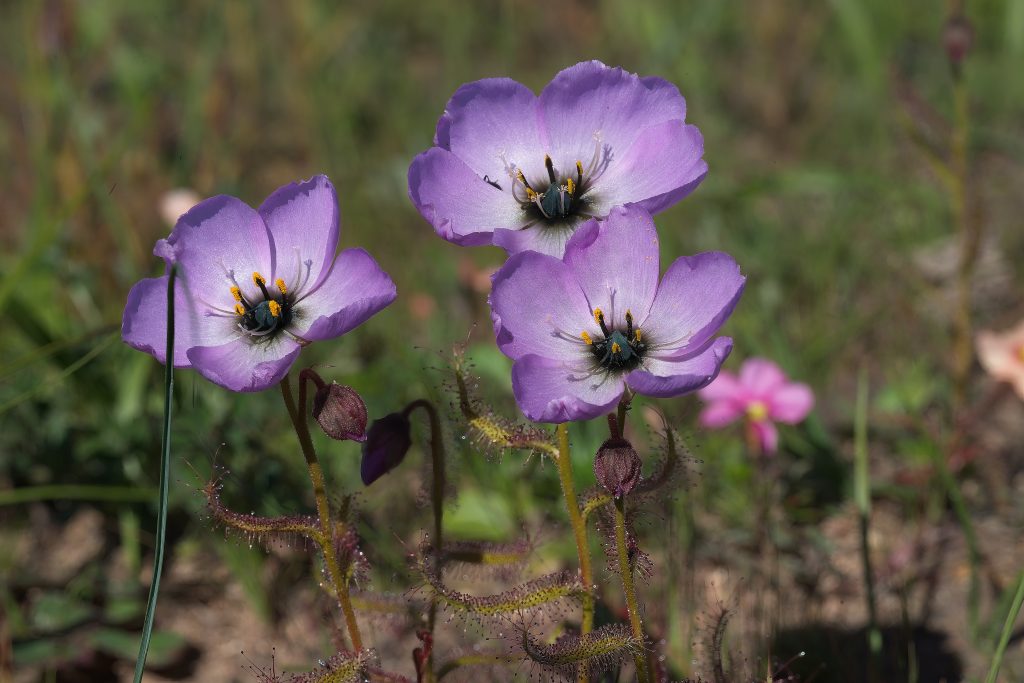
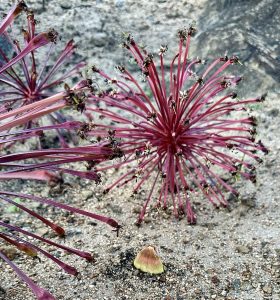
Last spring, Groenkloof Reserve experienced a spectacular bulb bonanza, with vibrant displays of wildflowers carpeting the landscape. However, this floral explosion was accompanied by an unintended consequence—a massive weed outbreak that now requires careful management to prevent invasive species from overwhelming the recovering ecosystem.
Manual clearing and mechanical removal are minimizing disturbance to native vegetation. Where necessary, targeted herbicide applications are being used to curb regrowth. Fire, an integral part of the renosterveld ecosystem, is being carefully reintroduced under controlled conditions to suppress invasive grasses and rejuvenate native plant growth. This phased approach is ensuring that once the invaders are removed, native species can reclaim their rightful place in the landscape.
Soil Stabilization and Erosion Control
Decades of agricultural activity have left parts of Groenkloof Reserve vulnerable to erosion. Without intervention, any reintroduced vegetation will struggle to establish itself.
To address soil loss, the team is implementing rock packing and mulching, stabilizing slopes while retaining essential moisture. Indigenous grasses are being seeded across erosion-prone areas, their roots anchoring the soil and preventing further degradation. Where water runoff poses a threat, terracing and swale construction are being used to regulate flow, reducing erosion and replenishing groundwater reserves. These interventions are creating a stable foundation for long-term rehabilitation.
Reintroducing Local Species
With the groundwork laid, the reserve will soon be ready for active restoration. This is not a simple case of planting trees; it is a carefully coordinated process designed to mimic natural succession and support biodiversity.
Seeds are being collected from local plant populations to maintain genetic integrity, then propagated in specialized nurseries to maximize survival rates. The reintroduction of plant life will occur in strategic phases, allowing early colonizers to establish first, creating microhabitats that will later support more sensitive flora. This careful sequencing ensures that the restored ecosystem is not just visually appealing but functionally resilient and capable of withstanding environmental changes over time.
Long-Term Monitoring and Adaptive Management
The work won’t end when the last seedling is planted. A successful rehabilitation project is a dynamic, ongoing effort that requires continuous monitoring and adaptation. At Groenkloof Reserve, progress will be tracked using a combination of remote sensing and drone surveys, providing high-resolution data on vegetation cover changes. On-the-ground biodiversity assessments will measure how well plant and animal populations are recovering. Local stakeholders will play an active role in the monitoring process, reporting observations that will help refine management strategies. This adaptive approach will ensure that interventions remain effective, evolving in response to real-world conditions.
A Blueprint for Future Projects
Groenkloof Reserve’s rehabilitation demonstrates that restoring ecosystems is nuanced and, about meticulous planning, scientific precision, and community collaboration. By laying a strong foundation through research, legal compliance, local engagement, and adaptive management, Vula Environmental Services is setting a precedent for ecological restoration done right.
This project serves as a powerful reminder that even the most fragile ecosystems can be brought back to life with the right approach. With dedication and careful planning, rehabilitation can create landscapes that are not just restored, but thriving, offering a glimpse into what is possible when conservation is done with both heart and strategy.